At its core, personalized digital marketing focuses on crafting one-to-one marketing experiences online. It accelerates customer connection, strengthens brand loyalty, and boosts conversion rates. With personalized marketing, you distribute relevant content that reflects customer preferences and needs. Integrating SEO strategies into your personalized marketing efforts also ensures your content reaches the right audience and ranks higher in search engines, increasing visibility and driving more organic traffic to your website.
Understanding the Basics of Personalization
Personalized marketing efforts are a blend of different elements tailored for each consumer. It makes the user perceive that the content is specifically created for them, fostering profound engagement. Key elements include demographics (like age, occupation, or location), behavioral data (browsing habits or purchase history), and customer interactions with your brand. All these factors give insights into customers’ preferences and habits, creating a personalized online experience.
Behind every effective personalized marketing strategy, a surplus of consumer data is being manipulated. Data-driven marketing implies studying and applying facts derived from customer behavior, interests, and preferences to formulate personalized strategies. This approach translates into creating accurate and relevant marketing messages.
Maintaining a firm grip on the metrics and assimilating them for perception is fundamental. It’s crucial to comprehend that the judicious and ethical use of data within the boundaries of privacy laws and with customers’ informed consent makes data-driven personalization an apt tool for building stronger, more meaningful connections with customers.
Technologies Fueling the World of Personalized Marketing
Unleashing AI and ML’s potential has revolutionized personalized marketing. These technologies process massive amounts of data, identifying patterns and revealing insights about customer behavior. So, businesses predict customer needs, tailor content accordingly, and foster stronger relationships. For instance, Spotify leverages AI and ML to analyze listeners’ habits, curating personalized playlists based on past listening experiences.
CRM tools, pivotal to personalized marketing, streamline the organization and analysis of customer data. By strengthening the understanding of customer behaviors and preferences, these tools enable crafting relevant, targeted communications. Salesforce, a leading CRM provider, effectively offers the benefits of this technology, helping companies deliver personalized customer touchpoints, promote engagement, and enhance loyalty.
Automation platforms and dynamic content add a new dimension to personalized marketing. They allow real-time decisions, adjusting content based on current customer data. This facilitates an individualized approach at scale without compromising on consistency. The target audience, for example, receives personalized emails triggered by their latest interactions or interests. Klaviyo, a marketing automation platform, expertly facilitates this process, serving different content snippets to individuals based on their previous interactions.
Marketing Personalization Trends
Growing Customer Expectations
Today, consumers expect more than good-value products; they demand personalized experiences. According to Google, 59% of people expect brands to personalize experiences based on their reported favorite items. Utilizing customer metrics and data, marketers are leaning towards custom-tailored campaigns, leading to greater user engagement and retention.
Product Recommendations
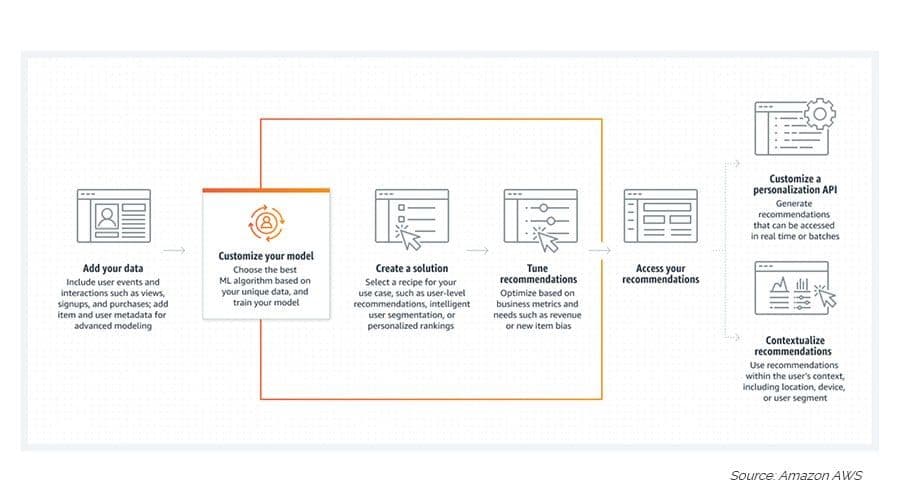
Personalized product recommendations represent a dynamic trend in marketing. Amazon does an excellent job at this, recommending products based on consumers’ past purchases, wishlist items, and browsing history. These curated proposals accounted for an impressive 35% of their sales in 2020.
Less Generic Advertising
Marketers now avoid generic, mass-appeal advertising, opting instead for targeted advertising that resonates specifically with each unique consumer. Take, for example, Grammarly, which creates personalized ads for individual user writing needs rather than a blanket ad for all. Such targeted advertising increases relevancy and engagement rates, proving an impactful trend.
Personalized Emails
Targeted personalization doesn’t stop at product suggestions and tailored advertisements. Personalized emails also play a crucial role in reaching customers. According to a study by Campaign Monitor, open rates for personalized emails average 188% compared to 12.1% without personalization. Brands like Sephora stand out here, sending personalized email alerts to customers about products running low in stock, prompting them to purchase.
Social Media Platforms and Rise in Video Marketing
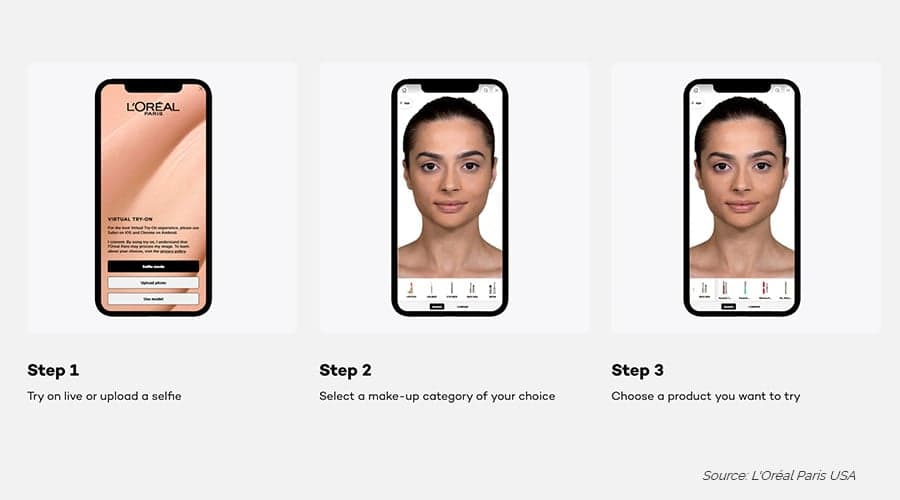
No trend exploration would be complete without mentioning social media’s role in personalization. The rise of video marketing on social platforms like Instagram and TikTok has opened doors for personalized and interactive content, boosting engagement levels. For instance, L’Oréal Paris uses Instagram’s features to exhibit personalized tutorials based on users’ hair type and color, significantly amplifying its audience’s connection and trust.
Strategies for Effective Personalized Marketing
Segmenting Your Audience for Targeted Marketing
One of the initial steps in personalized marketing involves audience segmentation. Divide your audience based on various criteria, such as demographic characteristics like age and location, maneuvering their interests, behaviors, and purchasing habits. MailChimp, for instance, achieved an increase in email open rates by 14.31% through such segmentation.
Creating Buyer Personas
After you’ve segmented your audience, adding depth to your knowledge of target groups becomes crucial. This calls for forming buyer personas, fictional representations of your ideal customers’ attributes, which are fundamental pillars supporting your personalized marketing strategy. Amazon effectively reflects this strategy, creating personas that aid in delivering personalized recommendations to users based on factors like previous purchases, browsing history, and rated preferences.
Integrating Personalization Across Various Channels
Offering personalized experiences isn’t confined to a single channel. To reach your customers more effectively, carry out your marketing efforts across emails, websites, social media platforms, or mobile applications. Whether through tailored Facebook ads or newsletters customized to reader preferences, ensure that your personalized efforts seep into every possible customer touchpoint.
Best Practices for Personalized Digital Marketing
Ensuring Privacy and Ethical Use of Data
Sensitive audience information is accessible, making it easy to customize marketing campaigns. But ethical boundaries can’t be disregarded. Respecting customers’ privacy is critical in personalized digital marketing. GDPR (General Data Protection Regulation) has set guidelines that dictate information collection, storage, and use. Non-compliance leads to heavy fines. So, ensure you obtain informed consent from customers before gathering their data.
Consistency Across All Touchpoints
Customers interact with your brand through multiple platforms, be it your website, email, social media channels, or direct customer service. Each interaction is a touchpoint. It’s important to offer a consistent experience across these touchpoints. This consistency bolsters customer satisfaction, confidence, and, eventually, loyalty. To exemplify: If customers see a personalized recommendation on your site, they might expect a matching offer in their inbox. Hence, aligned and consistent messaging can greatly improve conversion rates.
Testing and Optimization for Better Results
Last but not least, embracing continuous testing and optimization is crucial. Digital marketing is constantly evolving, and your strategies should adapt accordingly. A/B testing, also known as split testing, is a widely used method. You can determine which one performs better by comparing two versions of a campaign, email, or webpage.
Challenges in Personalized Digital Marketing
Personalized digital marketing opens up exciting possibilities for connecting with customers in meaningful ways, but there are a few key challenges to navigate. Successfully integrating data from various sources is essential for creating a unified and accurate consumer profile, allowing marketers to deliver relevant and engaging content. By prioritizing data accuracy and proactively addressing privacy concerns, businesses can build trust and maintain strong relationships with their audience. Additionally, finding the right balance in personalization ensures that marketing efforts feel thoughtful and considerate, rather than intrusive. Overcoming these challenges allows marketers to harness the true power of personalization, driving deeper customer engagement and loyalty.
Examples of Personalized Marketing
Personalized marketing strategies differ across platforms and industries. The following examples illustrate its application effectively.
Personalized Email Campaigns
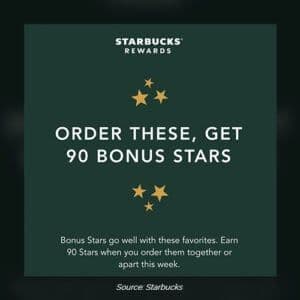
In personalized email campaigns, companies send targeted messages based on customer data. A prime example is Starbucks’ loyalty program. When you buy a latte, you may get an email offering discounts for related items, like a chocolate chip cookie. This tactic not only increases sales but boosts customer loyalty.
Product Recommendations
Companies leverage customer purchasing behavior and preferences to suggest relevant products. Amazon dominates this strategy. If you browse for headphones on their site, you’ll find similar products when you visit next.
Social Media
Personalized marketing on social media offers exponential reach and engagement. Coca-Cola’s “Share a Coke” campaign effectively utilized this. They replaced their logo with names on bottles and shared it on social media platforms, encouraging consumers to find bottles with their names and share the images online. The campaign delivered a personal touch while spreading brand awareness widely.

Local Marketing Recommendations
Neighborhood-specific personalization proves beneficial in local marketing recommendations. Domino’s Pizza does this masterfully. Visit their site, and based on your location, you’re immediately presented with deals relevant to your local outlet.n
Reddit, as a platform, provides niche audience groups, presenting opportunities for highly targeted marketing. Loot Crate, a monthly gamer subscription box, found success advertising on subreddit groups closely aligned with their customer interests, achieving meaningful engagement along with increased sales.
Preparing for Future Trends in Personalized Marketing
Preparing for future trends in personalized marketing involves embracing innovative technologies and understanding evolving consumer expectations. Predictive analytics and advanced data modeling are at the forefront, enabling marketers to anticipate customer needs and preferences accurately. Integrating augmented reality (AR) and virtual reality (VR) into marketing strategies adds an immersive layer of personalization, allowing customers to interact with products and services in engaging, individualized ways. As consumers increasingly seek personalized experiences, businesses must continuously adapt to meet these evolving expectations, ensuring their marketing efforts are relevant, timely, and deeply resonant with their audience. By staying ahead of these trends, marketers can create impactful, personalized connections that drive loyalty and growth.
Why Personalized Marketing is the Future
As seen with successful companies like Starbucks, Amazon, Netflix, and IKEA, personalization can significantly enhance customer relationships. It’s clear that the future of marketing is personalized. If you’re not already utilizing these strategies, it’s time to start.
At ZGM, we understand the transformative power of personalized marketing and are here to help your business leverage it to its full potential. Our team of experts can develop tailored marketing strategies designed to resonate with your target audience using data-driven insights and cutting-edge tools. We’ll work closely with you to create customized campaigns that engage your customers, boost conversions, and build lasting relationships.
Partner with ZGM today, and let us take your personalized marketing to the next level. Whether you’re just starting or looking to refine your current strategy, we have the expertise and creativity to make it happen.