
The world of search is evolving at breakneck speed. What began as a simple game of keywords and backlinks is now a constantly shifting playground shaped by artificial intelligence, voice assistants, and even augmented reality. In this AI-first era, schema markup, the structured data language that helps search engines understand your content, is no longer just a “nice-to-have.” It’s the backbone of modern SEO strategies, bridging the gap between human intent and machine interpretation.
At Zero Gravity Marketing (ZGM), we’ve seen firsthand how organizations that adopt advanced schema techniques early not only improve visibility but also future-proof their presence across traditional search and emerging platforms like AI answer engines.
The Evolution of SERPs
The search engine results pages (SERPs) have changed a lot over the years, and today, they feature more snippets than ever before. With this evolution, it’s becoming increasingly important to create rich content that heavily emphasizes nailing search intent while simultaneously including structured data to better your chances of being selected for a featured snippet. Video schema markup and local schema markup, for example, can help you get seen by your targeted audiences because you can feature specific information that’ll help searchers decide to click on your link.
As you plan your digital marketing strategy, it’s important to analyze your targeted SERPs and identify what type of featured snippets Google is implementing. During this process, you should be able to figure out what type of content is successful for each SERP so you can hone your marketing efforts accordingly. From there, you can use this insight to create content that fills search demand and incorporates structured data that matches the targeted feature snippets.
Why Schema Markup Still Matters
Structured Data is essential because it gives your website a better appearance in the search results. Thanks to elements like schema video markup and schema markup for local SEO, elements such as photos or videos are displayed as rich snippets in the SERPs. Because of this, searchers see the exact information they need, and they’re more likely to click on your results when presented. Despite the rise of “zero-click” search experiences, schema remains essential for brands that want their content to stand out in increasingly crowded SERPs.
As you work on your schema development strategy, keep local SEO and article schema markup in mind during the planning and content creation processes.
- Rich Results That Drive CTR – From star ratings to product availability, rich snippets still capture attention and boost click-through rates.
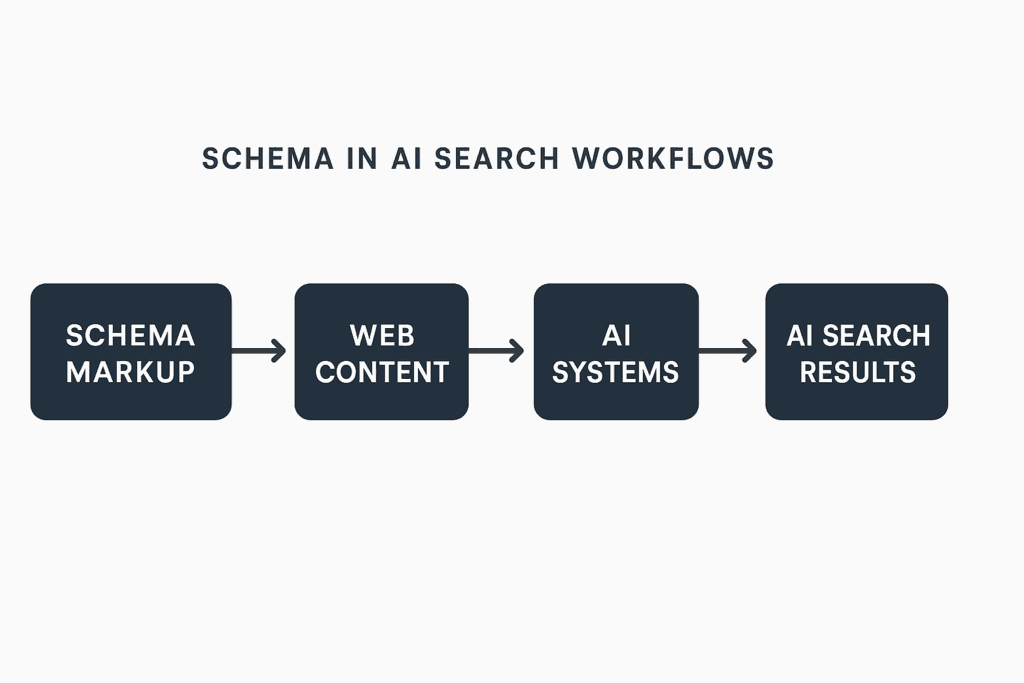
- Search Engine Understanding – Schema helps Google, Bing, and AI-driven engines interpret your content with precision, increasing its relevance in query matches.
- Foundation for AI-Generated Answers – As tools like Google’s AI Overviews become mainstream, schema gives your content a better chance to be referenced in those answers.
Schema Trends Shaping SEO
1. AI-Powered & Dynamic Schema
Machine learning now allows schema to adapt automatically based on context, seasonal trends, and user behavior. This real-time adjustment can help businesses stay relevant without constant manual updates.
2. Voice, AR/VR & IoT Schema Extensions
- Voice Search: Using FAQPage, HowTo, and Speakable schema formats optimizes your content for conversational queries.
- AR/VR: Structured data is being applied to immersive experiences, helping users discover and interact with 3D content.
- IoT: Emerging schema applications for connected devices are shaping the next wave of localized and contextual search.
3. The Rise of AEO & GEO
- Answer Engine Optimization (AEO): Optimizing for AI systems that directly answer queries without requiring clicks.
- Generative Engine Optimization (GEO): Structuring and labeling content for large language models like ChatGPT and Google Gemini.
In both cases, schema is critical for signaling authority, context, and accuracy.
Best Practices for Implementing Schema
- Prioritize High-Impact Schema Types
Start with the formats that match your goals: FAQPage, HowTo, Product, LocalBusiness, and QAPage are delivering strong ROI this year. - Validate and Monitor Regularly
Use tools like Google’s Rich Results Test and the Schema.org Validator to ensure your markup is correct and up-to-date. - Integrate with Content Planning
Don’t bolt schema on at the end. Plan your schema alongside your keyword research, content structure, and UX design. - Leverage Automation
Platforms like Schema App, Merkle’s Schema Generator, or in-house AI tools can speed up implementation and reduce human error.
Real-World Impact: A Quick Case Snapshot
Zero Gravity Marketing has adopted this rise in schema markup to its own site. After we've implemented Organization, Product, and FAQPage schema across service pages. Within 90 days:
- Organic impressions for high-value keywords increased by 24%.
- Click-through rates improved by 17%, driven by rich results featuring client logos, star ratings, and direct links to case studies.
- Several articles began appearing in Google’s “People Also Ask” and AI overview sections, positioning the brand as a trusted industry authority.
What to Expect in the Future
Expect schema to become even more contextual, interactive, and personalized, with AI delivering tailored results to individual users’ preferences and search history. Structured data will likely extend into new mediums like in-car assistants, wearable devices, and smart home hubs.
The takeaway? Schema isn’t just about getting clicks today—it’s about securing your place in the evolving search ecosystem of tomorrow.
Future-Proof Your Schema Markup Strategy
At Zero Gravity Marketing, we specialize in creating AI-ready schema markup strategies that increase visibility, engagement, and conversions. Contact us today to learn how we can help you dominate search in the age of AI.