


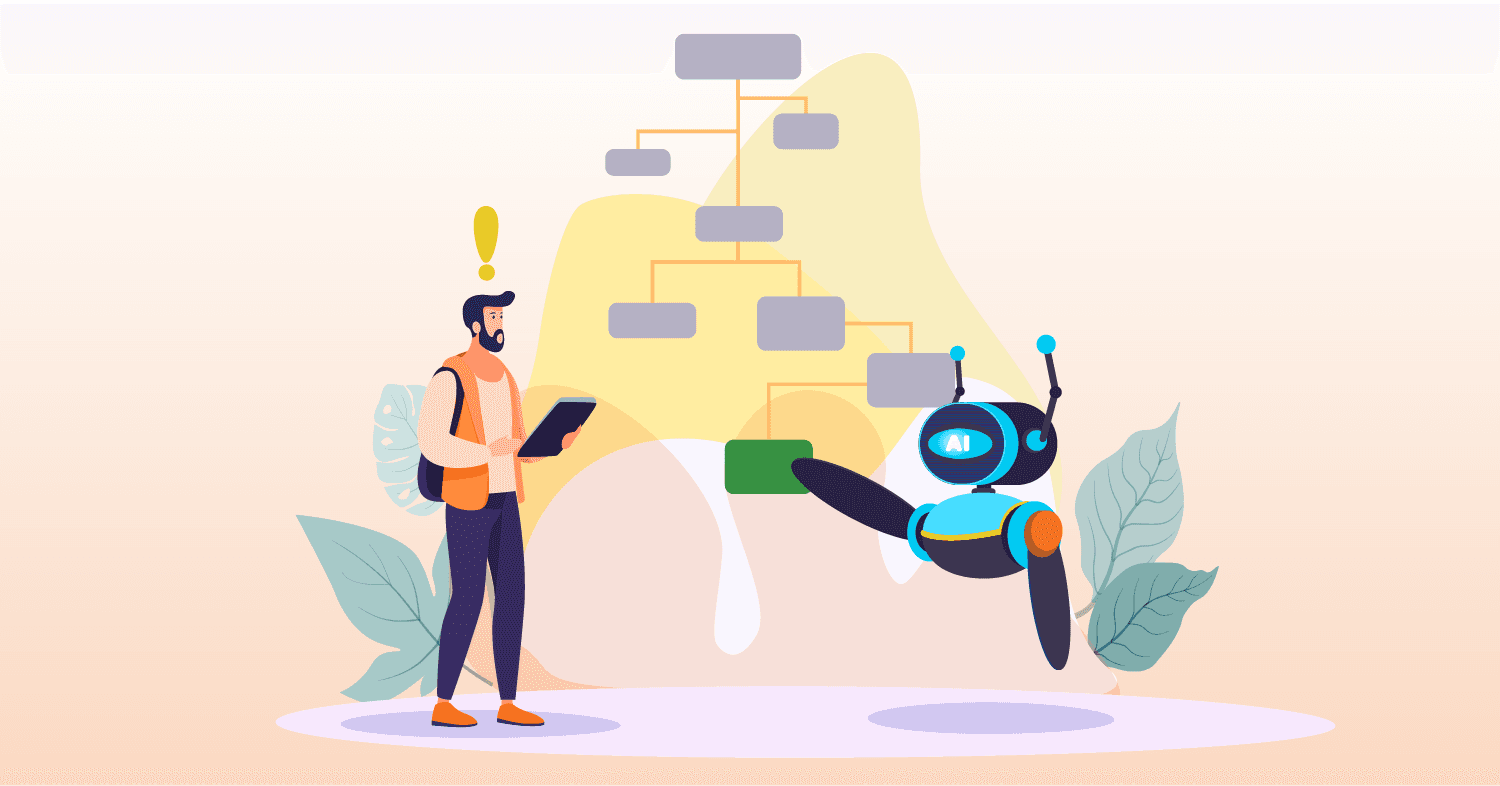
The Changing Role of AI Personalization
Today’s customers are no longer satisfied with generic, one-size-fits-all marketing. Instead, they’re expecting meaningful, timely interactions that reflect their preferences, needs, and behavior across every digital touchpoint. Artificial intelligence (AI) is quickly becoming the backbone of these experiences, enabling marketers to anticipate customer actions and shape more personalized, predictive journeys.
Why Predicting and Tailoring Journeys Is Essential
The days of the linear marketing funnel are long gone. In a world where customers jump between devices, platforms, and channels in seconds, understanding and predicting their behavior has become the top priority for many marketers. AI user journey personalization helps marketers make sense of this fragmented behavior by surfacing patterns and revealing next-best actions.
By leveraging these insights, brands can not only improve conversion rates but also reduce churn, increase customer lifetime value, and create memorable brand experiences that stand out in a saturated market. Predictive marketing strategy is no longer a bonus; it’s the backbone of your marketing success!
How AI Personalization Tools Work to Anticipate Needs
AI personalization tools rely on a powerful blend of data analysis, machine learning, and real-time processing to understand user behavior at scale. Predictive analytics in marketing helps uncover which users are likely to take specific actions, such as making a purchase, abandoning a cart, or unsubscribing from a list. Remember – these predictions aren’t based on guesswork! They’re based on data points from browsing history, past purchases, engagement metrics, and more.
Machine learning models continuously improve as more data is gathered, becoming increasingly accurate at segmenting audiences and recommending personalized content. This makes it possible to adjust messaging and offers on the fly, delivering highly relevant experiences at the right time, on the right platform.
The Core Benefits of AI-Driven Personalization
Using AI-driven personalization tools transforms your digital marketing from good to great, refining customer satisfaction and significantly boosting ROI.
Optimizing User Journeys with Predictive Analytics
With predictive analytics in marketing, brands can anticipate customer actions before they happen, allowing for proactive strategies. For instance, if a user’s behavior signals a high likelihood of churn, AI can trigger a loyalty offer or a personalized email to re-engage them.
This forward-thinking approach helps streamline user paths, reduce drop-offs, and increase the likelihood of conversion. It also changes marketing from reactive to strategic – a shift that pays off in engagement and revenue in the long run!
Improving Real-Time Personalization Across Touchpoints
One of the greatest strengths of AI personalization tools is their ability to respond instantly to user behavior. From adjusting website banners in real time to serving location-based push notifications, AI ensures users receive tailored content right when they’re most likely to act.
This real-time approach builds a sense of immediacy and relevance, allowing brands to guide customers through the customer journey optimization AI process seamlessly.
Boosting Customer Engagement and Loyalty
When search experiences are personalized, customers are more engaged, satisfied, and loyal. AI helps by enabling continuous, contextual communication based on real-time and historical behavior.
As users receive content and offers that reflect their preferences, they feel valued, and that emotional connection increases the chances they’ll return. This kind of long-term loyalty is the goal of every predictive marketing strategy.
Key Applications of AI Personalization in Digital Marketing
The use cases for AI personalization tools are wide and growing fast. Here’s how they’re being used to redefine digital marketing strategies.
AI-Powered Chatbots for Real-Time Customer Interactions
AI-powered chatbots, like ChatGPT, have come a long way from simple FAQ bots. Today, they’re powered by natural language processing and can engage in highly personalized conversations. Nowadays, AI can understand user intent, adapt its responses, and make smart recommendations, all in real time.
Whether assisting with purchases, troubleshooting issues, or even upselling based on behavior, AI-powered chatbots refine the customer experience and gather valuable data for future personalization efforts.
Personalized Product Recommendations Based on Behavior
If you’ve ever received a “You might also like…” recommendation that nailed your interest, you’ve seen how AI predicts customer behavior in action. Recommendation engines analyze browsing history, past purchases, and similar customer data to generate individualized suggestions.
This method improves conversion rates but also increases cart size and cross-sell success. It’s one of the most impactful ways of improving customer journeys with AI!
Dynamic Content and Email Personalization Techniques
Forget standard segmentation! With AI email personalization tools, you can tailor each piece of content based on behavioral signals, preferences, and purchase intent. Tools like Mailchimp, Persado, and Seventh Sense make it easy to personalize subject lines, content blocks, and even send times to optimize engagement.
This level of customization is useful in email marketing tools with AI personalization, where even small improvements in open or click-through rates can significantly impact revenue.
Creating Seamless Omnichannel Customer Experiences
Consumers interact with brands across multiple channels, including websites, social media, mobile apps, email, and even in-store. AI tools for marketing personalization allow you to maintain a consistent experience across all of these touchpoints so your brand remains a constant, no matter when or where your customers interact.
By syncing data across platforms, AI ensures that the message a user receives on Instagram aligns with the product suggestion they saw on your site or the email offer in their inbox. This omnichannel approach creates a truly connected customer journey that feels intentional and intelligent.
Challenges and Considerations in AI Personalization
While the advantages of AI user journey personalization are clear, the road to full implementation isn’t without its bumps. Let’s take a closer look at the common hurdles marketers face.
Data Privacy and User Trust
To personalize well, AI needs access to user data, which raises privacy concerns. With regulations like GDPR and CCPA, marketers are under more pressure than ever to collect and use data responsibly.
Building trust is critical: that means being transparent about what data you’re collecting, why you’re collecting it, and how users can manage their preferences. By prioritizing ethical use of data, brands can utilize the power of AI without pushing away customers.
Scalability and Integration into Existing Systems
Deploying AI-driven personalization tools can get tricky if your systems are siloed or outdated. Without proper integration, personalization efforts can fall flat or lead to inconsistent, confusing messaging.
To ensure success, choose platforms that integrate well with your current CRM, CMS, and marketing automation tools. Starting small, like personalizing a single channel like email, can help you build momentum and demonstrate value before scaling further.
Ethical Considerations in Predictive Modeling
How AI predicts customer behavior is based on data, and that data can sometimes carry biases. If not properly monitored, AI systems may reinforce those biases or deliver personalization that feels invasive.
It’s essential to regularly audit your AI models for fairness and transparency. Always have human oversight in place to catch unintended consequences and adjust accordingly.
Implementing AI Personalization Strategy and Tools
Once you understand the potential and the pitfalls, the next step is implementation. Here’s how to start strong and scale smart:
Selecting the Right AI Platforms for Your Business
The market is full of AI personalization tools, but not every platform is right for every business. When evaluating options, consider your budget, goals, technical capabilities, and team size.
Top choices include Dynamic Yield, Salesforce Einstein, Adobe Sensei, Optimizely, and Segment. For businesses focused on cold outreach, consider AI tools for cold email personalization, such as SmartWriter or Lyne.ai, as these help create hyper-personalized intros and outreach copy at scale.
Integrating Personalization Engines with CRM and Marketing Automation
To make personalization truly effective, your AI tools must integrate seamlessly with your existing systems. Syncing with your CRM ensures that user profiles are accurate and up to date. Connecting with your marketing automation platform allows AI to trigger personalized campaigns in real time.
In many cases, companies also adopt a Customer Data Platform (CDP) to unify fragmented data sources. This creates a single source of truth for user behavior and powers more effective customer journey optimization AI.
Monitoring and Measuring Success Through Data-Driven KPIs
It’s not enough to implement; you also need to measure. Set clear KPIs from the outset so you can track progress and prove ROI. Look at metrics like personalized conversion rates, engagement levels, repeat visits, and average order value.
A/B testing is particularly valuable here. By comparing AI-personalized campaigns to control groups, you can quantify just how much impact your efforts are having. Remember, the goal of AI personalization tools isn’t just automation; it’s smarter, more strategic marketing.
What’s Next for AI and User Journey Personalization?
AI is changing by the day, and the future holds even more powerful tools for personalization. Generative AI, for instance, can create hyper-customized content for different segments on the fly. AI voice assistants will be able to engage customers in personalized conversations, while predictive engines will become even more accurate and context-aware.
In a world where attention is fleeting and expectations are sky-high, leveraging AI to deliver meaningful, adaptive, and timely experiences is an advantage for your brand and the future of marketing. The time to invest in smarter, more human-centric personalization is now – contact the team at Zero Gravity Marketing today to learn more about how we utilize AI.