



Keeping your blog content fresh and updated is critical for maintaining relevance and boosting search rankings. Here, we’ll cover the strategies to refresh outdated content and revive old posts hiding on page 10 of your blog, including how to know when it’s time for an update (plus how to pinpoint which posts need a refresh). You’ll learn about the significant benefits of updating content and best practices for effectively increasing your blog’s relevance and performance in search results.
Benefits of Refreshing Content
Let’s face it, no one wants to read that blog about, “How to do the Harlem Shake?”. Refreshing your blog content is essential for several compelling reasons:
- Google’s Preference: Updated content is favored by Google, which considers it more relevant and timely for users, aligning with E-E-A-T content standards.
- Industry Relevance: As your industry changes, so should your content. Updating outdated topics helps maintain accuracy, building trust and credibility with your audience.
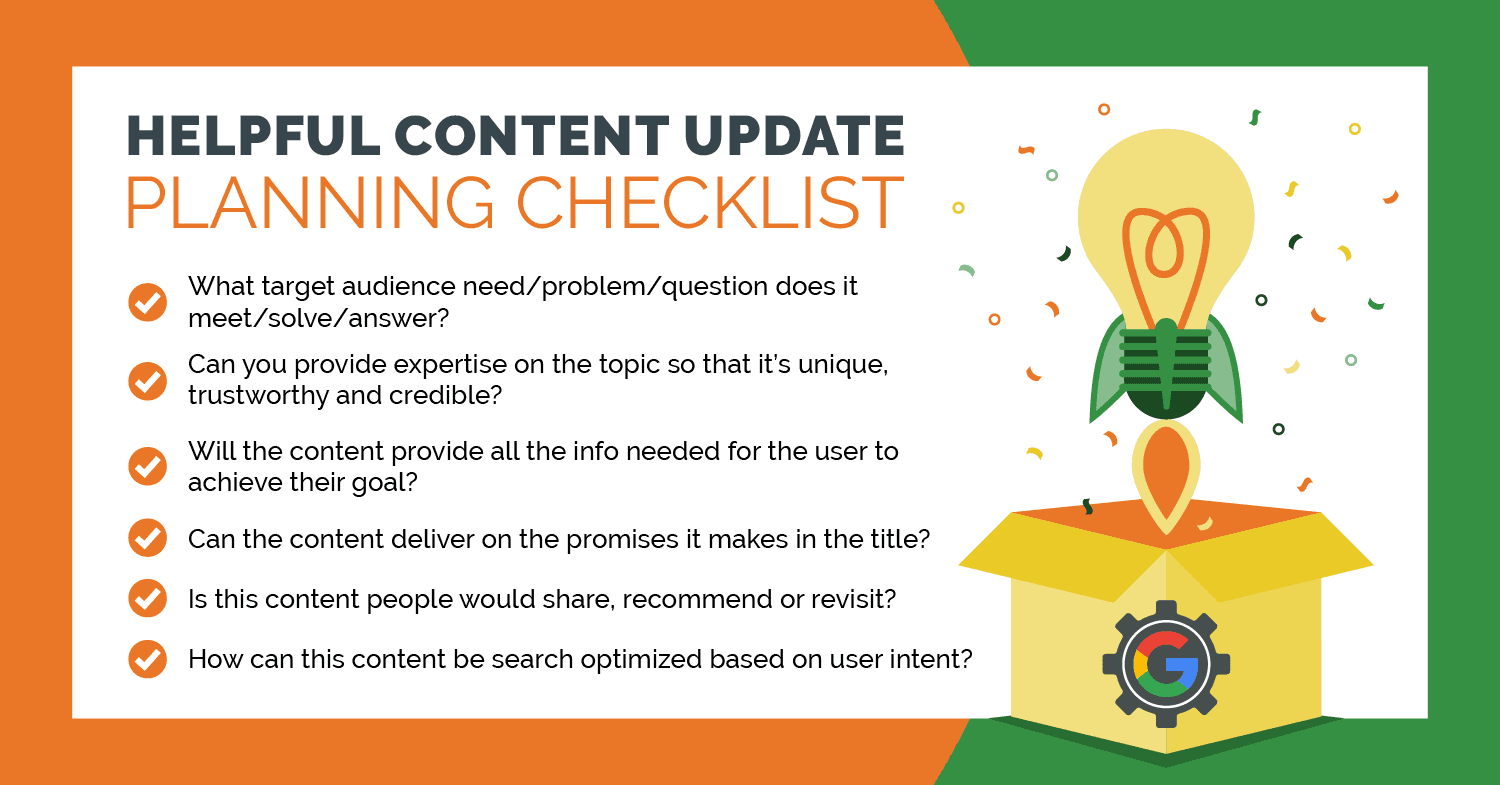
These updates can lead to improved search engine rankings and better user engagement by providing current and relevant information users are interested in.
Identifying Content that Needs a Refresh
Determining which blog posts need to be updated is one part analytics and one part strategic evaluation. Utilizing tools like Google Analytics 4 allows users to spot posts with high bounce rates or low pageviews, indicating they may be outdated or unengaging. Google Search Console provides insights into posts with declining clicks or impressions, suggesting they’re losing relevance in search results. Continuing to evaluate your content’s current standing in SERPs against competitors can also highlight the need for updates. By regularly reviewing these metrics, you can prioritize which posts to refresh content to maintain or improve their SEO performance.

Best Practices to Refresh Content
Refreshing your content involves several strategic steps, but it’s always good to start with keyword research to understand emerging terms. Focus on updating content to meet the current needs and questions of your audience, ensuring it aligns with search intent. Quality blog content is crucial as it provides valuable information that meets user expectations and supports SEO goals.
Here are some additional tips for a successful content refresh:
- Update on-page SEO elements, including meta tags and headers, to reflect new content focuses.
- Include new internal links to other relevant content on your site to improve SEO and user experience.
- Incorporate updated visual elements like images and videos to make the content more engaging.
- Indicate when the content was last updated by adding a refresh date.
- Prompt Google to re-crawl the updated pages by submitting them for re-indexing.
Common Issues in Content Refreshes
When refreshing content, some practices should be avoided to ensure the updates improve, rather than compromise, content performance:
- Avoid URL Changes: Changing the URL of a post can disrupt its SEO performance and should be avoided unless absolutely necessary.
- Balance Automation with Insight: While automation tools like ChatGPT can assist in content creation, they should not replace the nuanced understanding that a human editor brings, especially for complex topics.
- Watch Keyword Density: Updating content should not lead to keyword stuffing. Keep blog updates natural and focused on improving user experience.
Promoting Refreshed Content
After updating your content, it’s the best time to promote it to your audience – maximizing its reach and impact! Use social media platforms as a powerful way to share content with both new and returning visitors. You can also encourage audience interaction by inviting comments and discussions, which further boosts your engagement and visibility.
Consider utilizing email marketing strategies to draw attention to refreshed content as engaging, data-driven email subject lines can attract readers back to the site to see the latest updates. It’s also beneficial to feature the refreshed content prominently on your homepage or a significant section of your blog to ensure it gets more eyes on it.
__SANITY_IMAGE_2_image-adda68fa403e176861411a763dc266881b8c7033-450x400-png_02_Promote__
Committing to Your Content’s Success
Keeping your content fresh should be an ongoing effort in your SEO strategy. Regularly review and update content to keep your site vibrant and relevant. For more structured guidance on how to transform your blog with SEO, consider reaching out to our team at Zero Gravity Marketing.
FAQs

Tiffany Anderson
Tiffany Anderson serves as a Senior Content Strategist at ZGM and has a passion for telling stories. Her specialties include crafting marketing materials, website content, articles, blogs, landing pages, sales copy, and more! Beyond creating the copy, she enjoys the art of editing and making sure all those commas and colons are in the right place.
