What Are Content Gaps and Why Do They Matter?
Content gaps are the blind spots in your content strategy — the missing pieces of information your audience is actively searching for but can’t find in your content (yet). Maybe it’s a crucial question you haven’t answered, a trending topic you haven’t covered, or a keyword your competitors are ranking for while you’re nowhere to be found.
Why does this matter? Because content gaps = missed opportunities. If your content isn’t filling the information void, your audience will go elsewhere — likely straight to your competition. But when you identify and close these gaps, you’re not just improving SEO — you’re providing real value, building trust, and positioning yourself as the go-to source in your industry.
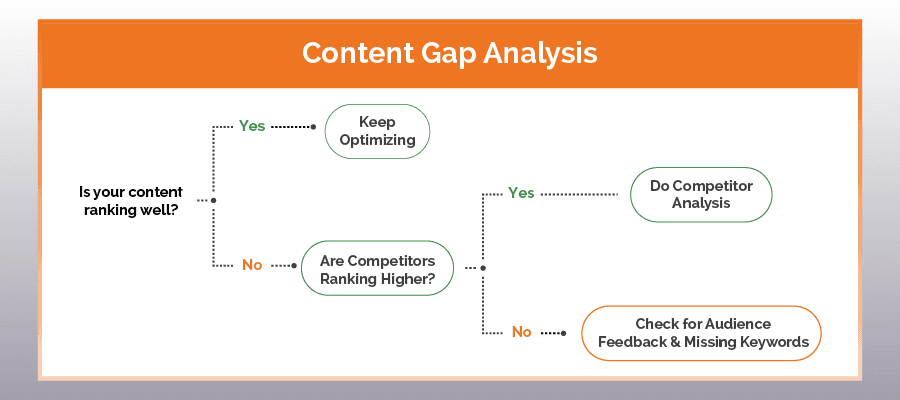
Signs That Your Content Has Gaps
Not sure if your content has gaps? Look for these signs:
1. High Bounce Rates or Low Time-on-Page
A high bounce rate means users leave quickly — often because they can’t find relevant information. Use heatmap tools like Lucky Orange to analyze user behavior.
2. Unanswered User Questions & Keywords
Are users searching for terms you’re not ranking for? A keyword gap can mean you’re missing valuable traffic.
3. Competitors Ranking Higher for Important Keywords
If competitors consistently outrank you, they may be covering more comprehensive topics or providing better answers.
Conducting a Content Audit to Find Weaknesses
A content audit helps identify underperforming pages and missing opportunities.
Step 1: Review Existing Content
Analyze your blogs, landing pages, and articles to see which ones fail to meet search intent or have low engagement.
Step 2: Use Analytics & SEO Tools
Tools like Google Analytics, Ahrefs, and SEMrush can reveal:
- Pages with low traffic and high bounce rates
- Missing backlinks and SEO optimization
- Opportunities to update outdated or thin content
Step 3: Check for Outdated or Shallow Content
Expand thin content and update outdated information to maintain relevance.
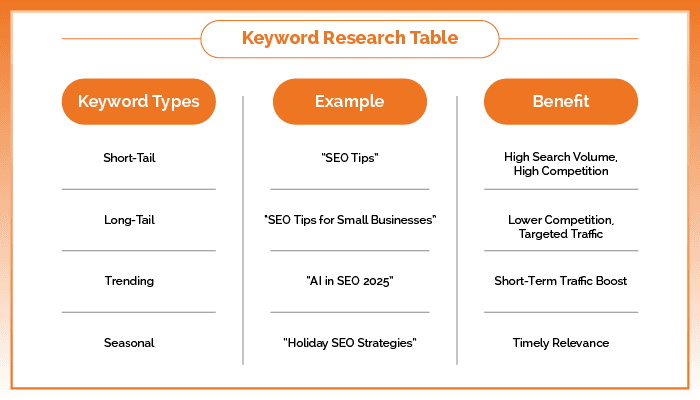
Using Keyword Research to Identify Missing Topics
Keyword research uncovers opportunities you may have overlooked. Find related search queries with high traffic potential that aren’t covered on your site.
Long-tail keywords (e.g., “best SEO content strategy for small businesses”) have lower competition but higher conversion potential.
You can also use tools like Google Trends to spot emerging topics and seasonal search spikes.
Competitor Analysis for Inspiration
Your competitors can reveal content gaps you’re missing.
Step 1: Analyze Competitors’ Content
Use BuzzSumo and SpyFu to see which topics drive engagement and rank well.
Step 2: Spot Weaknesses in Competitor Content
Identify areas where competitors fall short — this is your chance to offer better insights or cover additional angles.
Engaging With Your Audience to Find Gaps
Your audience knows what they want… you just need to ask.
Leverage Audience Feedback
Monitor:
- Surveys & comments – Direct customer feedback is invaluable.
- Social media & forums – Observe common questions and pain points.
- User-generated content – Reviews and testimonials highlight unmet needs.
Content Formats You Might Be Missing
Different users prefer different formats. Expand your content types to fill engagement gaps.
- Videos & webinars – Great for tutorials and complex topics.
- Infographics – Summarize key data for visual learners.
- Podcasts – Cater to audiences who prefer audio content.
- Repurposing blogs – Turn blog posts into slideshows, listicles, LinkedIn articles, or YouTube scripts.
How to Prioritize and Fill Content Gaps
1. Create a Plan of Action
- Audience demand – What’s trending or frequently searched?
- SEO potential – Keyword difficulty vs. search volume.
- Business goals – Does it align with your services?
2. Balance Evergreen & Timely Topics
- Evergreen content – Topics that stay relevant long-term.
- Trending content – Short-term opportunities for traffic boosts.
3. Develop Detailed Content Briefs
- Target keywords
- User intent
- Actionable takeaways
Future-Proofing Your Content Strategy
Content gaps are missed opportunities in your content marketing strategy, but identifying and filling them can dramatically boost your SEO rankings, audience engagement, and brand authority.
Start by conducting a content audit, leveraging keyword research, and analyzing competitor strategies. Then, engage with your audience to uncover new ideas and experiment with different content formats. By proactively addressing these gaps, you’ll ensure your brand remains relevant, authoritative, and highly visible in search results.
Looking for expert help? Zero Gravity Marketing is here to craft a content strategy tailored to your brand’s needs. Let’s make your content work smarter, not harder! Reach out to our expert content marketing team.

Rocco Smith is an SEO Strategist at Zero Gravity Marketing with over three years of experience in Search Engine Optimization. He enjoys combining his love for writing and editing with the latest SEO trends and best practices to help guide clients to the results they want to see while overcoming the competition.