


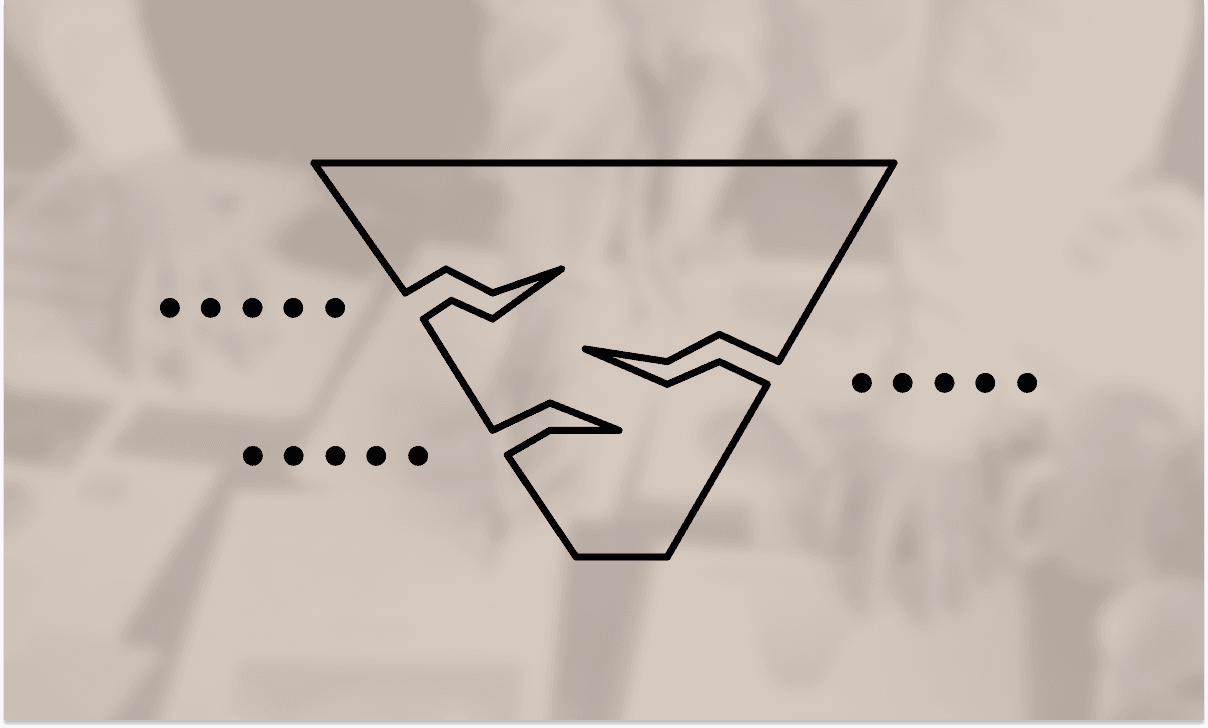
In 2026, far too many leadership teams struggle with their B2B lead generation funnel strategy. Here’s what that typically looks like: marketing generates leads, pipeline dashboards look strong, yet revenue growth is slowing down or stalling altogether.
Here at ZGM, we’ve seen this play out firsthand. Many B2B organizations view revenue complications as a top-of-funnel problem. Though in actuality, the real issue is leaks inside the funnel caused by operational inefficiencies.
The solution lies in not tackling demand, but in improving how leads go through the system. Moving forward, we’ll explore what causes leakage in marketing funnels, commonly overlooked blind spots, and how to improve B2B sales funnel optimization.
Understanding Revenue Leakage in Marketing Funnels
Contrary to certain misconceptions, revenue loss generally occurs between funnel stages, rather than at the initial entry point. Here’s what this ultimately boils down to: entry is based on interest while progression depends upon trust, qualification, and alignment.
Understanding the different stages of revenue leakage in marketing funnels is vital. It matters for not just fixing the leaks, but also for streamlining B2B sales funnel optimization.
Marketing–Sales Handoff and Delayed Follow-Up
When leads pass from marketing to sales without clear expectations or alignment on readiness, hidden revenue leaks are sure to follow.
Other issues, such as broken customer relationship management systems and leads receiving lackluster follow-up, can further undermine B2B funnel conversion rate optimization. When response times stretch from minutes to hours or even days, buyer interest often fades.

Unclear Qualification Criteria and Misaligned Messaging
Functional bottlenecks between marketing and sales teams are another common culprit behind hidden revenue leaks in your B2B funnel. When these departments don’t share the same definition of what a qualified lead entails, chaos ensues.
More often than not, this situation leads to marketing teams focusing on volumes, while the sales teams prioritize intent. This doesn’t just fracture the sales funnel. It also hurts B2B sales funnel optimization via increased acquisition costs, reduced win rates, and longer sales cycles.
Remember, internal leadership teams are only one casualty of incongruent marketing. These misalignments additionally cause prospects to experience disconnects between marketing promises and sales conversions. Eventually, small breakdowns quickly compound, while quietly draining pipeline value and sabotaging the buyer journey.
Why Marketing-Qualified Leads Often Stall Before Sales Conversions
Fixing hidden revenue leaks via B2B sales funnel optimization first requires understanding the MQL problem. Leadership teams often see large numbers of MQLs, but few turn into meaningful sales conversions.
At ZGM, we know this is often triggered by handoff friction and misaligned qualification standards. Other underlying causes include messaging disconnection between teams and slow response processes. In our experience, both issues can undermine even the best B2B lead generation funnel strategy.
By the time MQLs stall before sales conversions, leadership is left with a funnel that appears productive at the top, yet struggles to convert momentum into revenue. Long-term, this simply isn’t sustainable.
The Operational Blind Spots Leadership Often Overlooks
In the B2B marketing industry, leadership teams focus on lead volume, campaign metrics, and pipeline size. While these metrics assist with predictable revenue forecasts, they’re only one part of the puzzle.
Far too often, leadership teams miss out on key operational details that actually show revenue leaks in the funnel. Knowing how quickly leads are contracted and where prospects stall between stages matters. The same goes for learning whether sales accepts or rejects marketing leads and if messaging remains consistent throughout the customer journey.
When leadership teams fail to consider these operational points, it’s harder to see systemic friction from the dashboard level. Over time, this saddles B2B marketing teams with higher customer acquisition costs, misallocated budgets, and wasted efforts.
Diagnosing Funnel Leakage Requires a Systems View
Right now, many leadership teams are focused on how to fix a leaky sales funnel. Successfully accomplishing this requires not only a systems view, but also a high-level diagnostic approach.
As B2B organizations work on assessing funnel leakage, they should approach it as a revenue operations challenge, rather than simply a marketing one. This means diagnosing the system that connects marketing, sales, and pipeline management.
While teams strive for B2B sales funnel optimization amid tackling hidden revenue leaks, they should examine the funnel by asking some critical questions.
Are the best prospects actually entering the funnel? Are marketing and sales aligned on clear qualification standards? How long does it take for new leads to become engaged?
Where are leads stalling between stages? Is the buyer journey being met with consistent messaging from first touch to sales conversion?
Here at ZGM, we know the challenges that B2B organizations face while tackling revenue leakage in marketing funnels. This is why we proudly partner with leadership teams to help them identify operational gaps and fix funnel leaks.
Identify Where Revenue is Leaking in Your Funnel
In 2026, recognizing hidden revenue leaks is crucial for B2B funnel conversion rate optimization.
Without pinpointing and fixing these gaps, leadership teams are more vulnerable to stalled prospects, friction points in the buyer journey, and compounding inefficiencies that become harder to detect.
Thankfully, B2B organizations don’t have to go it alone. Book a diagnostic call with ZGM today to uncover friction points across your marketing/sales funnel and take your B2B sales funnel optimization to the next level.