


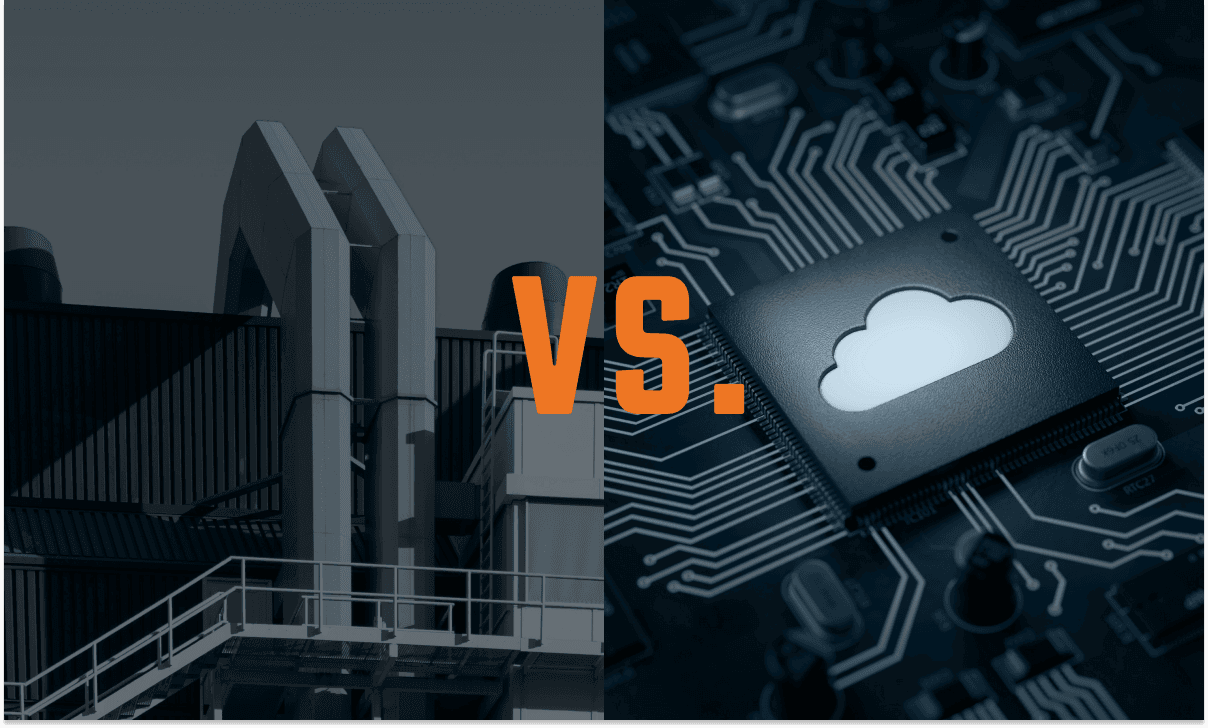
The failure to recognize manufacturing vs. SaaS marketing differences can be quite costly for B2B organizations. When sales cycles (which are inherently complex and driven by relationships) get treated as impulsive, digital-only transactions, customer acquisition costs increase, conversion rates fall, and buyer trust fractures.
While SaaS growth marketing trends in 2026 continue to evolve, high-volume, fast-paced lead generation is traditionally associated with this sector, as are instant digital trials. Manufacturing marketing, on the other hand, requires technical validation, trust, and long-term partnerships.
Moving forward, we’ll have a look at why applying generic SaaS or B2B tactics to manufacturing is ill-advised. We’ll also explore how longer sales cycles, technical complexities, and multiple stakeholders play a role in manufacturing vs. SaaS marketing differences.
Longer Buying Cycles and Complex Stakeholders
Decision timelines, by all accounts, are among the most notable contrasts between manufacturing marketing and SaaS marketing. While the former decisions are typically front-loaded, slow, and hard to reverse, the latter remains defined by agility, easy scalability, and fast deployment.
Both manufacturing and SaaS hold multiple buyer roles; although these roles vary greatly in decision-making pace, focus, and technical specialization. As a leading B2B growth partner, ZGM has seen how this works in real time.
By and large, manufacturing purchasing is a balancing act between financial and technical stakeholders. Engineers, company executives, procurement agents, and quality control influencers each have a part to play.
SaaS, conversely, is more cross-functional, with a unique focus on workflow adoption and integration. Here, the most important stakeholders include end users, security directors, buyers, and department heads.
As we explore manufacturing vs. SaaS marketing differences, it’s also important to understand why speed-focused or volume-based campaigns maintain high fail rates. While both sectors share B2B characteristics, their value propositions, buyer behaviors, and sales cycles greatly vary.
In the case of manufacturing marketing, speed-focused, volume-based campaigns fail for one primary reason: they’re not aligned with the structural realities of how industry buyers make choices. Campaigns of this nature typically overfocus on vanity metrics, lack technical depth, and fail to connect with long term prospects.
Why Generic B2B Strategies Don’t Work
When generic B2B industrial marketing strategies or SaaS playbooks are applied to manufacturing, risk of failure increases substantially. Although digital tools remain essential, SaaS’s copy paste approach doesn’t mesh with selling complex, customized, or high-value products.
Reaching complex buyers in manufacturing requires technical depth, precision, and qualified leads. For instance, some deals in this sector can surpass 18+ months, while SaaS playbooks are known for rapid conversions. SaaS is also geared towards standardized products while manufacturing focuses on customized or bespoke solutions.
Sales Collaboration and Technical Education as a Marketing Imperative
As we explore manufacturing and SaaS growth marketing trends in 2026, one reality is made abundantly clear: marketing must partner with sales teams in order to educate and guide technical buyers.
At ZGM, we’ve witnessed firsthand the rising complexities of buyer journeys. B2B purchases demand more stakeholders and longer cycles. Likewise, buyers are spending more time on independent research, oftentimes with the assistance of AI tools.
Once marketing and sales teams collaborate, they’re able to provide valuable, credible content, thus building trust well before the introduction of formal RFPs. Alignment between both departments is likewise tied to stronger revenue and better feedback for future campaigns.
As marketing and sales teams work together, they should prioritize detailed product content, application insights, and account-specific approaches. Remember, in-depth information is a prerequisite for buyers, just as personalized outreach and tailored content helps teams target high-value accounts.
Strategic Patience, Positioning, and Next Steps
Truly understanding manufacturing vs. SaaS marketing differences means knowing how to play the long game. That’s precisely why patience and careful positions beat volume-driven campaigns.
Among the best B2B industrial marketing strategies is focusing on capacity, trust, and long-term relationships. Don’t forget, the buyer journey here is long and complex. While SaaS account‑based marketing in B2B remains compatible with volume-focused, fast initiatives, the opposite holds true for manufacturing.
Both sectors, vastly different as they are, do share one similarity: strategic positions and quality content (rather than desperate, high-throughput marketing) tend to yield long-term returns on investment.
The bottom line? Playing the long game streamlines brand building processes, thus helping companies weather initial storms. In manufacturing, that’ll look like narrow margins, whereas SaaS is more prone to higher customer acquisition costs.
Pressure Test Your Manufacturing Growth Strategy
In 2026, all B2B organizations should thoroughly recognize manufacturing vs. SaaS marketing differences. The operational environments, success metrics, and buying behaviors of both sectors have significantly diverged in the current climate.
When organizations miss these nuances and apply identical playbooks, they’re on the road to mass inefficiencies and wasted budgets. Eventually, this sabotages growth and sustainability.
If you still have questions about the right B2B industrial marketing strategies, you don’t have to face this alone. Book a call with ZGM to pressure test your manufacturing growth strategy and take your marketing to the next level.