Attracting new audiences is one of the hardest parts of digital marketing. When potential customers don’t yet know your brand—or even that they have a problem you can solve—simply running conversion-focused ads won’t work. This is where top-of-funnel (ToF) marketing tactics come in. ToF campaigns build awareness, spark interest, and lay the groundwork for future conversions.
A strong ToF approach doesn’t work in isolation. Successful brands leverage cross-channel marketing, by blending paid media, Search Engine Optimization (SEO), content marketing, social media marketing, email marketing, and influencer marketing to build visibility across multiple touchpoints early in the buyer journey.
In this post, we’ll break down what ToF marketing looks like specifically in paid media, the tactics that drive the best results, and how evolving tools like AI-powered search and answer engines are shaping the future of ToF campaigns.
Understanding Top-of-Funnel Marketing in Paid Media
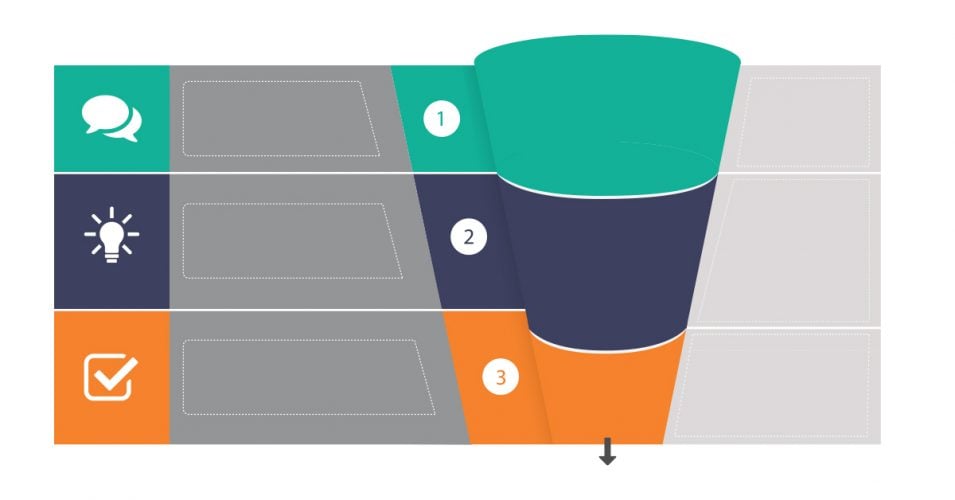
Top-of-funnel marketing is all about visibility and reach. It’s the first stage of the search marketing funnel, targeting users who are in the “awareness” phase of their journey. These audiences often:
- Don’t know your brand exists yet.
- Aren’t actively searching for your exact product or service.
- Are still learning about their options or even defining their problem.
Paid media campaigns are crucial at this stage because they allow you to introduce your brand to cold audiences, build familiarity, and create intent that you can nurture later through retargeting and mid-funnel campaigns.
While traditional ToF efforts focus on impressions and traffic, today’s paid campaigns leverage machine learning, audience signals, and even early AI-driven ad delivery to ensure you reach the right people at the right time.
Additionally, understanding what a search funnel is—and how paid ads interact with organic rankings and content marketing—is critical for maximizing exposure and setting up retargeting paths later in the customer journey.
Laying the Foundation for Effective ToF Paid Campaigns
Before you dive into paid tactics, you need a strong foundation. A poorly planned ToF campaign can waste budget on low-quality traffic that never converts. These steps set you up for success:
Audience Segmentation and Persona Development
Start by defining who you want to reach. Use first-party data from your CRM, Google Analytics, and social platform insights to understand demographics, interests, and behaviors. Build audience personas that include:
- Age, location, and occupation
- Pain points and challenges
- Goals and buying motivations
- Online behavior and preferred platforms
Detailed audience segmentation allows you to craft tailored ad messaging that resonates even with people unfamiliar with your brand.
Targeting Top-of-Funnel Keywords
In paid search, avoid jumping straight to high-intent transactional keywords. Instead, use top of the funnel keywords—broad, problem-focused search terms people use in their early research phase. For example:
- “How to reduce fine lines naturally” (ToF) vs. “Buy anti-wrinkle cream” (bottom-funnel)
- “Best ways to increase website traffic” vs. “Hire SEO agency”
This approach ensures you’re present during the awareness phase, creating opportunities to educate and build trust before asking for the sale.
Well-chosen keywords also strengthen your paid search funnel strategy, allowing you to capture queries that can feed both ads and supporting SEO content for better overall search presence.
Budget Allocation and Smart Bidding
ToF campaigns often require broader targeting and may have lower click-through rates than high-intent ads. Allocate budget accordingly and set realistic KPIs like impressions, reach, and assisted conversions.
Leverage smart bidding strategies that let platforms use data signals to optimize delivery. Machine learning can help identify patterns in which audiences are most likely to engage, even if they’re not ready to convert immediately.
Continuous Testing and Optimization
Testing is critical at this stage. A/B test:
- Different audience segments
- Ad headlines and visuals
- Landing page variations
- Calls-to-action
Use performance data to scale what works and cut what doesn’t. AI-driven recommendations in platforms like Google Ads can help refine targeting and creative choices faster.
Pairing PPC tests with content marketing insights, such as which blogs or landing pages perform best organically, helps create a connected paid and organic strategy that maximizes visibility.
Paid Search Tactics for ToF Campaign Success
Paid search remains a powerful tool for ToF campaigns if approached strategically:
Broad Match and Dynamic Search Ads
Broad match keywords and Dynamic Search Ads (DSAs) let you capture traffic from users who may not know your brand or exact offerings yet. DSAs use your website content to dynamically generate ads for relevant queries, expanding your reach without manually building exhaustive keyword lists.
Audience Layering
Layer in-market, affinity, or demographic audiences on top of your keywords. This improves targeting precision while keeping campaigns broad enough to capture new interest.
For example, if you sell running shoes, you might target “beginner marathon training tips” keywords layered with an audience of “fitness enthusiasts” to reach highly relevant prospects earlier in their journey.
AI-Powered Ad Suggestions
Google and Microsoft Ads now offer automated ad copy recommendations, predictive targeting, and performance insights. Embracing these tools can help your ToF campaigns adapt quickly, improving results without manual guesswork.
Looking ahead, Generative Engine Optimization (GEO) and Answer Engine Optimization (AEO) may influence how ads appear in conversational AI search tools. Structuring your paid campaigns with clear, problem-solving ad copy and strong landing page content prepares you for these evolving ad formats.
Paid Social Tactics to Build Awareness
Social media platforms are essential for ToF marketing, offering visual, engaging ad formats to reach users who aren’t actively searching yet.
Choosing the Right Platforms
Use audience research to prioritize platforms where your prospects spend time. For B2B, LinkedIn may be key. For lifestyle products, TikTok, Instagram, or Meta could drive better results.
Boosting High-Performing Organic Posts
Not every social media ad has to start from scratch. Boosting existing organic posts is a cost-effective way to scale content for paid social media marketing that’s already proven to generate engagement, helping you expand reach with minimal creative lift.
Video and Short-Form Ads
Short, engaging videos are particularly effective at ToF. They introduce your brand quickly, spark curiosity, and can lead viewers into your retargeting pool.
AI-Enhanced Campaign Tools
Platforms like Meta Advantage+ and TikTok Smart Optimization use AI to predict placements, creative variations, and targeting likely to perform best, making ToF campaigns more efficient over time.
Display and Video Advertising for Broad Reach
Display and video ads remain tried-and-true ToF channels when used strategically:
Display Ads on GDN
With the Google Display Network reaching 90% of internet users, display ads are a cost-effective way to get your brand in front of new audiences. Use compelling visuals, clear CTAs, and audience targeting to maximize relevance.
YouTube and Streaming Ads
Video ads on YouTube often cost pennies per view and allow for precise targeting. Combine educational content with brand storytelling to warm up audiences who might later click a search or retargeting ad.
Programmatic Advertising
Programmatic platforms use real-time bidding and AI-powered targeting to place your ads across multiple networks, expanding your reach while maintaining control over spend and audience quality.
When integrated with cross-channel efforts like SEO and content-driven remarketing, programmatic campaigns can significantly strengthen brand recall throughout the entire PPC funnel.
Measuring and Optimizing ToF Paid Campaigns
Unlike lower-funnel campaigns, ToF ads may not produce immediate conversions. To measure success effectively:
- Track impressions, reach, CTR, engagement, and assisted conversions.
- Evaluate the quality of traffic entering your retargeting pools.
- Use multi-touch attribution models to understand how ToF campaigns contribute to downstream sales.
Modern analytics tools, along with AI-powered predictive modeling, can help forecast how ToF investments influence long-term growth, even if last-click conversions are low.
Combining PPC data with SEO metrics creates a fuller picture of your search funnel performance, showing how different channels support awareness and eventual conversion.
Building a Paid Media Strategy That Nurtures the Entire Funnel
Top-of-funnel campaigns are the entry point to a full-funnel strategy. Once you’ve introduced your brand:
- Use retargeting ads to move warm leads to consideration.
- Deliver bottom-funnel offers to high-intent audiences.
- Keep testing creative, keywords, and messaging to match user intent at every stage.
As search and paid platforms evolve, AI and answer engines will increasingly influence how ads appear and which content gets surfaced. Aligning Pay-Per-Click (PPC) advertising with SEO, high-quality content, and multi-channel messaging ensures you stay visible whether prospects engage via ads, search results, or generative answer tools.
Start Filling Your Funnel with Smarter Paid Campaigns
Building awareness through ToF paid campaigns isn’t just about spending more; it’s about targeting the right audiences, using the right keywords, and delivering the right message at the right time. By leveraging these top-of-funnel marketing tactics, testing continuously, and staying ahead of trends in AI-driven advertising, you can create a steady flow of new prospects that fuel your entire marketing funnel.
Ready to launch smarter ToF campaigns? Zero Gravity Marketing’s paid media team specializes in building awareness campaigns that deliver measurable results. Contact us today to get started.
About the Author